
Wooden Reptile Tunnel: How to Choose the Right One
Table of Contents
- Why a Wooden Reptile Tunnel Matters
- Choosing the Right Size
- Checking Material and Construction
- Considering Species and Daily Behavior
- Matching the Tunnel to Your Habitat
- Safety and Maintenance
- Final Buying Checklist
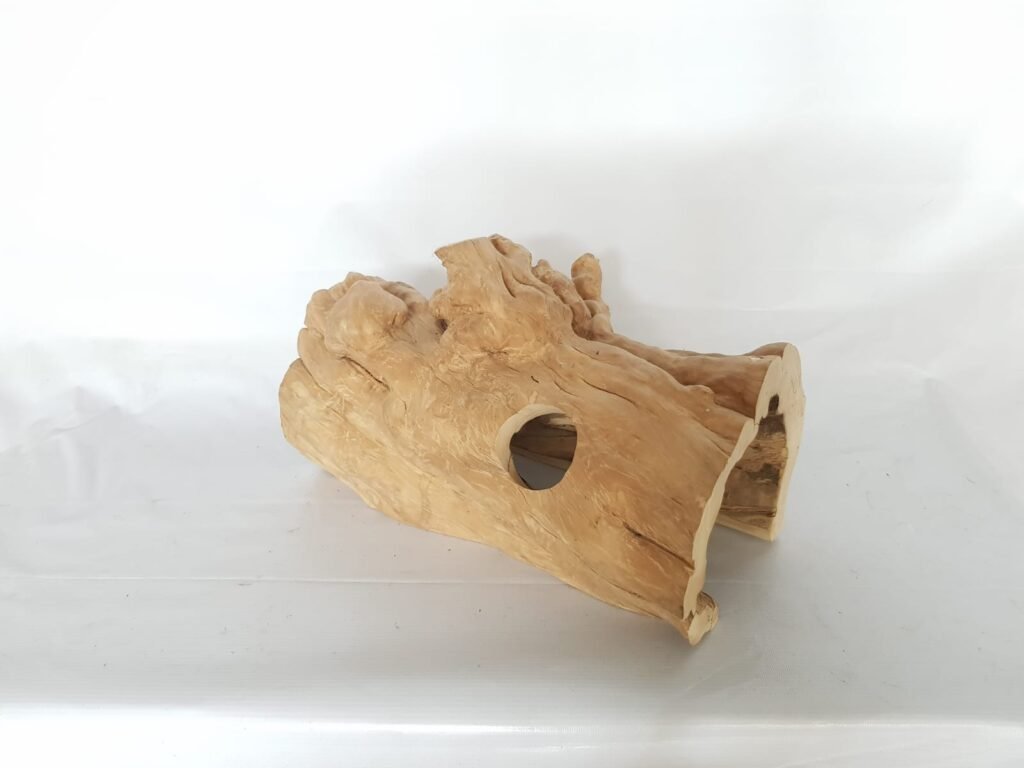
Choosing the right Wooden Reptile Tunnel can make a reptile enclosure more engaging, comfortable, and practical. A well-selected tunnel gives pets a place to explore, hide, and rest while adding a natural wooden feature to the habitat.
Why a Wooden Reptile Tunnel Matters
A Wooden Reptile Tunnel can support natural behaviors such as climbing, exploring, hiding, and moving between sheltered areas. For many reptiles, environmental enrichment is important because a habitat with varied textures and spaces can provide more opportunities for normal activity.
Look for a tunnel that fits your pet’s species, body size, and enclosure design. The tunnel should provide enough space for comfortable movement without taking up so much room that it limits other essential habitat features.
Choosing the Right Size
Size is one of the most important factors when selecting a Wooden Reptile Tunnel. Measure your pet and compare those measurements with the tunnel’s internal opening, length, and overall footprint.
- The opening should allow your reptile to enter and leave without squeezing.
- The tunnel should be long enough to create a useful sheltered route.
- The exterior should fit securely inside the enclosure.
- Growing reptiles may need a larger option as they mature.
Avoid choosing a tunnel based only on its outside dimensions. The usable interior space matters most for your pet’s comfort and movement.
Checking Material and Construction
A quality Wooden Reptile Tunnel should be made from suitable, durable wood with a smooth, carefully finished surface. Check for sharp edges, loose pieces, cracks, splinters, staples, nails, or other details that could injure an animal.
Wood can also respond to moisture and temperature changes. Before buying, consider whether the tunnel is appropriate for the humidity level and environmental conditions required by your reptile.
Considering Species and Daily Behavior
Before selecting a Wooden Reptile Tunnel, consider how your pet normally uses its enclosure. Arboreal reptiles may benefit from tunnels positioned higher, while ground-dwelling species may prefer low, stable shelters that are easy to access.
Also consider whether your reptile prefers a snug hiding place or a more open passage. Observing daily behavior can help you choose a tunnel that contributes to enrichment instead of becoming unused decoration.
If you keep more than one reptile, evaluate whether the tunnel is suitable for the animals sharing the habitat. Each animal should have enough space and access to appropriate hiding areas without creating unnecessary competition.
Matching the Tunnel to Your Habitat
The best Wooden Reptile Tunnel should work with the rest of the enclosure rather than simply look attractive. Think about placement, ventilation, substrate depth, lighting, heating equipment, feeding areas, and access for cleaning.
Natural-looking wood can complement a forest, desert, or woodland-style habitat, but the product should still meet practical requirements. Leave enough open space for your pet to move freely and for you to monitor the enclosure.
For general background on reptile care and species needs, readers can consult Wikipedia. You can also explore our website for additional product information.
Safety and Maintenance
Inspect the Wooden Reptile Tunnel regularly for wear, moisture damage, dirt buildup, or changes in structural stability. Remove the item if it develops dangerous cracks, sharp surfaces, mold, or loose components.
Cleaning requirements depend on the wood treatment and the reptile’s enclosure conditions. Follow the manufacturer’s care instructions, allow the tunnel to dry appropriately when needed, and avoid cleaning methods that could leave harmful residues.
Final Buying Checklist
Before choosing a Wooden Reptile Tunnel, review the following checklist:
- Suitable dimensions for your reptile.
- Smooth, secure, and well-finished surfaces.
- Construction appropriate for the enclosure environment.
- Stable placement without blocking essential equipment.
- Easy access for inspection and cleaning.
- A design that provides useful enrichment and shelter.
A thoughtful choice can help create a more functional and stimulating enclosure. By considering size, construction, habitat conditions, safety, and maintenance, you can select a Wooden Reptile Tunnel that suits your pet and your setup.