Table of Contents
- Types of Aquarium Wood
- Benefits of Aquarium Wood
- How to Choose Aquarium Wood
- Preparing Aquarium Wood
- Practical Uses in Aquascaping
- Sourcing Quality Aquarium Wood
Aquarium Wood is a popular natural material used to create attractive and realistic aquascapes. Its organic shapes, textures, and earthy appearance can transform an ordinary aquarium into a visually interesting underwater environment.
Choosing the right wood requires attention to size, shape, texture, durability, and compatibility with the aquarium setup. Understanding these factors helps aquascapers create balanced layouts while providing suitable surfaces for aquatic plants and natural-looking decorations.
Types of Aquarium Wood
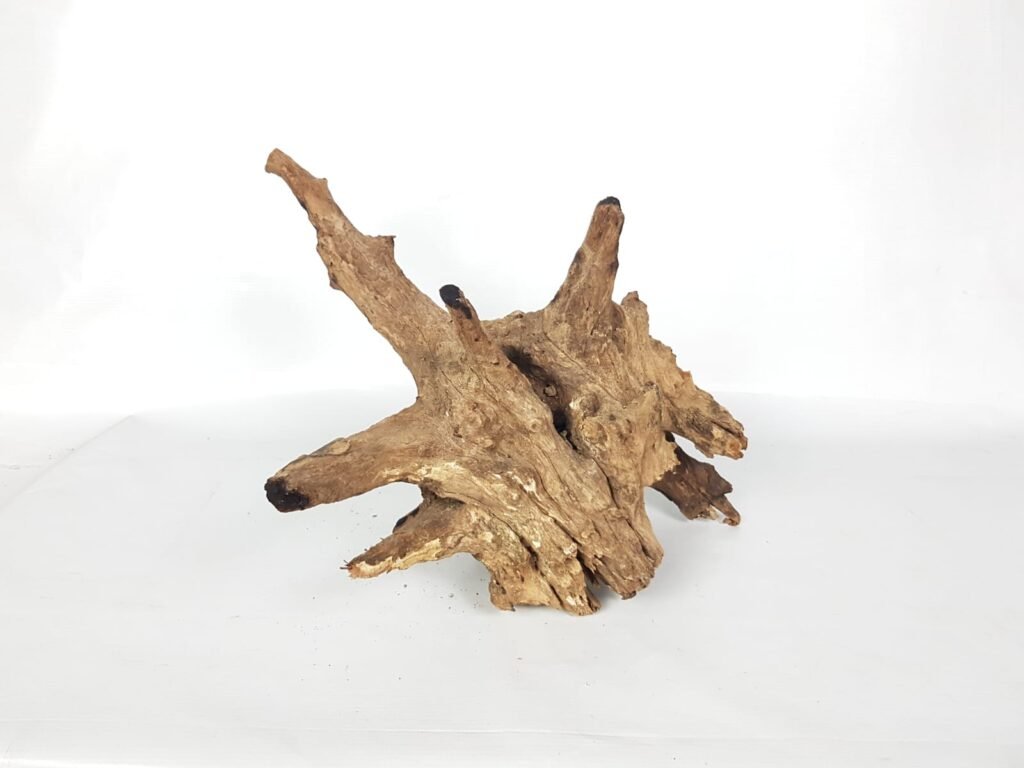
Different types of Aquarium Wood can produce different visual effects. Some pieces feature dramatic branches, while others have compact shapes that work well in smaller tanks.
- Branch Wood: Suitable for creating tree-like structures and detailed layouts.
- Driftwood: Provides a weathered appearance and natural underwater character.
- Spider Wood: Known for its thin branches and complex shapes.
- Manzanita-style Wood: Often selected for elegant branching structures and open compositions.
The ideal selection depends on the aquarium dimensions, aquascaping style, and desired visual balance. Large branches may become a focal point, while smaller pieces can complement rocks, substrate, and aquatic plants.
Benefits of Aquarium Wood
One major advantage of Aquarium Wood is its ability to introduce natural texture into an aquarium. The irregular surface creates visual depth and makes the underwater environment appear more organic.
Wood can also provide attachment points for aquatic plants such as mosses and epiphytes. When plants gradually grow across the surface, the combination can create a more established and natural aquascape.
- Creates a natural visual focal point.
- Adds texture and depth to aquarium layouts.
- Provides surfaces for attaching suitable aquatic plants.
- Works with rocks, substrate, and other natural decorations.
- Supports creative layouts for freshwater aquariums.
How to Choose Aquarium Wood
When selecting Aquarium Wood, consider the overall dimensions of the aquarium first. The wood should fit comfortably without overcrowding the swimming area or making maintenance difficult.
Shape is equally important because branches can guide the viewer’s attention through the aquascape. Look for pieces with interesting curves, natural textures, and proportions that complement the tank rather than dominate it.
For more information about natural wood and related terminology, readers can explore this trusted reference source.
Preparing Aquarium Wood
Proper preparation is an important step before placing Aquarium Wood into an aquarium. Depending on the specific wood, preparation may include cleaning, soaking, or other suitable treatment recommended for aquarium use.
Some natural wood may initially release tannins into the water, which can create a brownish tint. This effect can be desirable in certain biotopes, but soaking and water changes may help reduce the coloration when clearer water is preferred.
- Inspect the piece for unwanted debris.
- Clean the surface appropriately before use.
- Soak suitable wood when necessary.
- Check buoyancy before final placement.
- Ensure the piece is stable inside the aquarium.
Practical Uses in Aquascaping
Aquarium Wood can be used as a central focal point, background structure, or supporting element between rocks and plants. Its flexibility makes it useful for styles ranging from simple natural layouts to detailed underwater landscapes.
Branching pieces can also create the impression of submerged roots or fallen trees. Combining several pieces with different sizes can produce layers and perspective while leaving enough open space for fish movement.
For commercial aquascaping projects, carefully selected wood can help create distinctive displays for homes, offices, restaurants, hotels, and specialty aquarium stores.
Sourcing Quality Aquarium Wood
For retailers, aquascaping businesses, and project buyers, consistent quality and reliable sourcing are important considerations. Buyers should evaluate wood appearance, available sizes, packaging, handling, and suitability for aquarium applications.
Java Wood Tree can support businesses looking for natural wood products and related sourcing opportunities. Visit our website to explore product information and discuss potential requirements.
Ultimately, Aquarium Wood offers a versatile way to build natural-looking aquascapes with texture, structure, and visual character. By selecting suitable shapes, preparing them properly, and combining them thoughtfully with plants and rocks, aquascapers can create attractive underwater environments.