How to Inspect Quality Craftsmanship in Custom Solid Wood Dining Tables
Table of Contents
- Introduction to Hardwood Inspection
- 1. Evaluating Structural Joinery and Leg Attachment
- 2. Checking Moisture Content and Wood Flatness
- 3. Inspecting Non-Toxic Protective Finishes
- 4. Assessing Underside Cleats and Support Beams
- 5. Partnering with Certified Indonesian Manufacturers
Introduction to Hardwood Inspection
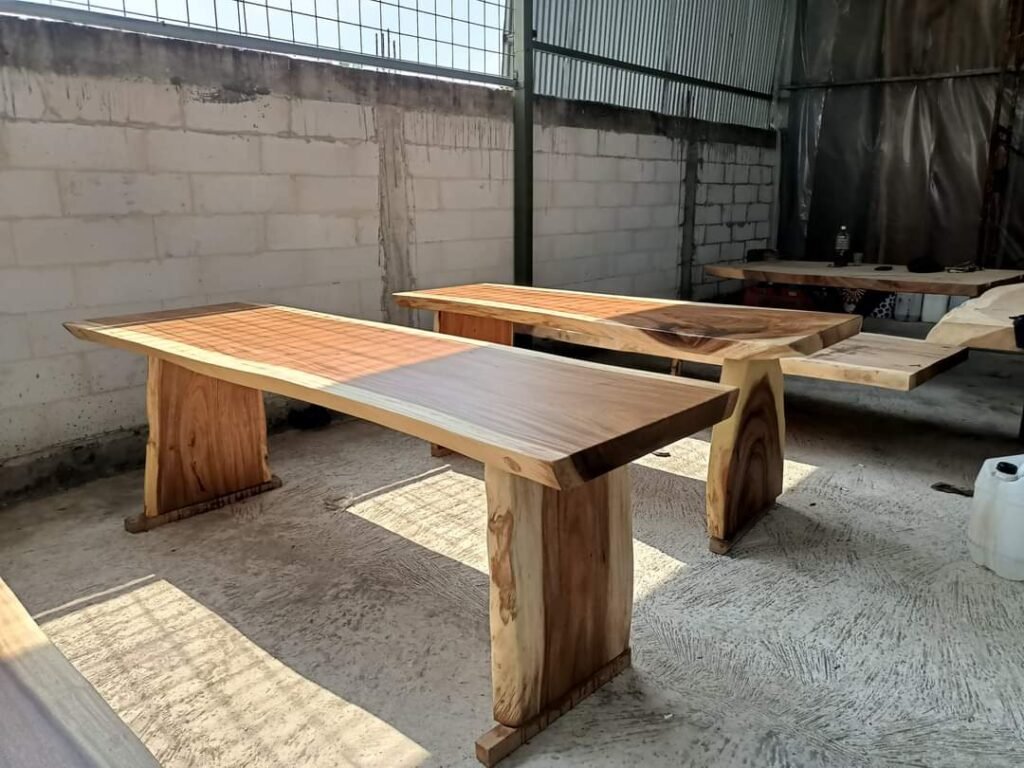
Procuring custom timber furniture for commercial dining spaces or retail showrooms demands thorough inspection standards. Sourcing handcrafted Dining Tables made from premium Indonesian teak guarantees structural longevity and timeless aesthetic appeal for hospitality venues.
However, verifying factory craftsmanship before approving mass container shipments remains crucial for B2B buyers. Discover timber grading principles and physical wood characteristics in this informative guide on teak timber properties.
1. Evaluating Structural Joinery and Leg Attachment
The foundation of long-lasting Dining Tables lies in traditional woodworking joinery techniques. Premium commercial tables utilize mortise-and-tenon or heavy-duty corner bracket connections rather than simple pocket screws or surface-mounted brackets.
During factory inspections, test the table frame for wobble, joint gaps, or squeaking under heavy load pressure. Flawlessly fitted joints on solid teak Dining Tables maintain structural integrity under continuous commercial use in restaurants and hotels.
2. Checking Moisture Content and Wood Flatness
Improperly dried timber causes wood warping, cracking, and seam separation when exported to different climate zones. High-grade solid Dining Tables must be manufactured from wood kiln-dried to a strict 8% to 12% moisture content (MC).
Use a calibrated digital pin moisture meter across multiple table top planks to verify uniform moisture levels. Ensuring consistent moisture control guarantees that your imported Dining Tables remain completely flat and stable over years of service.
3. Inspecting Non-Toxic Protective Finishes
Commercial tabletop coatings must resist water ring marks, alcohol spills, and hot dish contact without flaking or discoloration. Premium solid Dining Tables feature polyurethane lacquer or natural teak oil finishes applied in dust-free spray booths.
Inspect the surface under angled light to check for dust nibs, orange peel textures, or uneven sheen levels. Smoothly hand-sanded Dining Tables exhibit a silky tactile feel that enhances the natural beauty of Indonesian teak grain patterns.
4. Assessing Underside Cleats and Support Beams
Solid wood naturally expands and contracts across its grain as ambient humidity shifts. Well-engineered Dining Tables feature slotted metal cleats or wooden battens underneath the table top to accommodate natural movement without splitting the timber planks.
Verify that these support channels contain expansion slots for mounting hardware. Proper underside reinforcement on handcrafted Dining Tables prevents surface crowning and structural stress across large tabletop spans.
5. Partnering with Certified Indonesian Manufacturers
Selecting an experienced OEM manufacturing partner ensures rigorous quality control throughout the entire production cycle. Direct factory collaboration gives furniture buyers full visibility into material selection, kiln-drying logs, and final export packaging.
JAVA WOOD TREE specializes in exporting commercial-grade Indonesian teak furniture built to international standards. Explore our full handcrafted furniture catalog by visiting our official product showcase today.
Contact our B2B export division to discuss factory inspections, custom design prototypes, and container-load wholesale quotations for your upcoming hospitality projects.