
Table of Contents
- Benefits of Perch For Birds Wood
- 1. Better Foot Comfort
- 2. Natural Grip and Balance
- 3. Supports Natural Exercise
- 4. Encourages Perching Variety
- 5. Choosing Safe Wooden Perches
- 6. Maintenance and Cleaning
- Final Considerations
Perch For Birds Wood: Natural Benefits for Healthy Birds
Perch For Birds Wood can provide a more natural and comfortable resting surface for pet and aviary birds. Unlike perfectly uniform manufactured surfaces, natural wooden perches can offer varied textures and diameters that encourage birds to use their feet in different ways.
A well-selected wooden perch can support daily comfort, movement, balance, and enrichment. However, the wood should always be clean, untreated, appropriately sized, and free from sharp edges or potentially harmful substances.
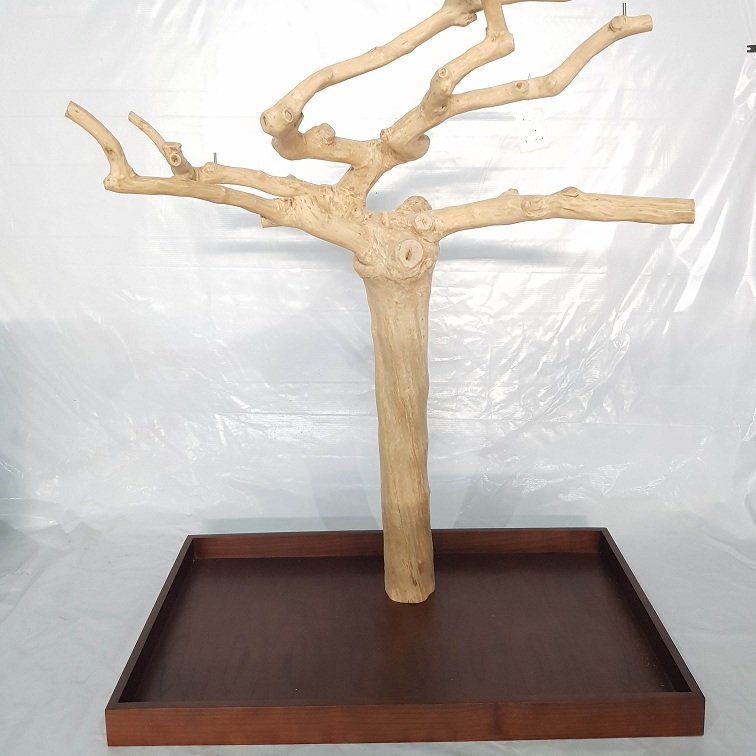
1. Better Foot Comfort
Birds spend a significant amount of time standing and resting on their perches. A natural wooden surface can provide a comfortable alternative to a single smooth perch used continuously.
Different textures may also create a more varied contact surface for the feet. This makes wooden perches particularly useful when creating a more engaging environment for birds.
2. Natural Grip and Balance
One important advantage of Perch For Birds Wood is its natural texture. Wood can provide useful friction that helps birds grip the surface while resting, climbing, or changing position.
A suitable diameter is equally important. The perch should allow the bird to wrap its toes comfortably around the surface without forcing the feet into an excessively stretched or compressed position.
3. Supports Natural Exercise
Birds naturally move between resting areas, feeding stations, toys, and other parts of their enclosure. Installing wooden perches at different locations can encourage regular movement throughout the day.
- Encourages climbing and movement.
- Provides additional resting locations.
- Supports balance and coordination.
- Adds physical variety to the enclosure.
For active birds, combining several suitable perches can create a more dynamic habitat. The arrangement should still leave enough open space for safe movement and flight.
4. Encourages Perching Variety
Uniform perches can make an enclosure visually simple and physically repetitive. Natural branches can introduce differences in diameter, shape, and texture that provide useful environmental variety.
When selecting Perch For Birds Wood, consider using several appropriately sized pieces rather than relying on one identical perch throughout the enclosure. Variety can make the habitat more interesting while giving birds choices about where they prefer to rest.
5. Choosing Safe Wooden Perches
Safety should always be the first consideration when choosing a wooden perch. Avoid wood that has been treated with unknown chemicals, painted with unsafe coatings, or exposed to pesticides and other contaminants.
- Choose clean, untreated wood from a reliable source.
- Check carefully for splinters, cracks, and sharp points.
- Select a diameter suitable for the bird species.
- Avoid branches exposed to chemicals or roadside pollution.
- Replace damaged or heavily contaminated perches promptly.
It is also important to identify the wood correctly when collecting natural branches. For general information about wood and its properties, readers can consult this trusted wood reference.
6. Maintenance and Cleaning
Even the best Perch For Birds Wood requires regular inspection. Food residue, droppings, moisture, and other debris can accumulate on the surface over time.
Clean perches according to appropriate bird-care practices and allow them to dry completely before returning them to the enclosure. Replace any piece that becomes cracked, excessively worn, moldy, or difficult to clean.
For businesses looking for natural wood products and related solutions, visit Java Wood Tree to explore the company’s product offerings.
Final Considerations
Perch For Birds Wood offers a simple way to introduce natural texture, movement, and visual variety into a bird enclosure. When properly selected and maintained, wooden perches can contribute to a comfortable and stimulating environment.
The best choice depends on the bird’s species, size, behavior, and enclosure design. Prioritize safe untreated materials, suitable dimensions, stable installation, and regular maintenance to create a practical and bird-friendly habitat.