Why Commercial Atriums Favor Artificial Trees Over Live Plants: artificial trees replace live plants
Table of Contents
H2 6: Sourcing Durable Botanical Displays for Large-Scale Commercial Projects
- 1. Zero Sunlight and HVAC Stress Factors
- 2. Eliminating Ongoing Maintenance Costs
- 3. Structural Longevity and Safety Compliance
- 4. Sustaining Biophilic Design Aesthetics
- 5. Hygiene, Pest Control, and Allergen Prevention
Commercial interior architecture is undergoing a major shift as developers increasingly prefer premium Artificial Trees over living foliage in high-traffic atriums. Airports and shopping centers require majestic greenery to create welcoming environments, yet maintaining natural vegetation indoors presents severe logistical challenges.
H2 8: Long-Term ROI Analysis of Faux Greenery Versus Living Landscapes
Integrating high-grade Artificial Trees allows venue managers to achieve lush, biophilic landscapes without structural weight limits, soil irrigation, or natural light access. Modern manufacturing techniques utilize natural wooden trunks combined with fire-retardant botanical silk leaves to deliver hyper-realistic aesthetic appeal.
1. Zero Sunlight and HVAC Stress Factors
The primary reason architects specify commercial Artificial Trees in modern public spaces is climate independence. Enclosed mall concourses and airport terminals rely heavily on artificial LED lighting and continuous air conditioning, which rapidly degrades the health of living plants.
Living flora requires constant UV exposure and regulated humidity levels to thrive indoors. Conversely, installing an engineered Artificial Trees setup guarantees perpetual green foliage that never wilts, yellows, or sheds leaves due to HVAC temperature swings or low-light conditions.
2. Eliminating Ongoing Maintenance Costs
Managing live trees in multi-story public atriums involves ongoing operational expenses, including specialized pruning, soil fertilization, irrigation systems, and regular replacement of dead specimens. Commercial operators reduce facility overhead significantly by choosing durable Artificial Trees instead.
To examine the history and development of synthetic botanical materials in architecture, read Wikipedia’s synthetic plant design overview. Facility teams simply perform occasional light dusting, freeing property budgets for core operational priorities. Explore architectural woodwork and indoor plant trunks by visiting JAVA WOOD TREE product listings.
3. Structural Longevity and Safety Compliance
Public safety and building compliance dictate every design choice in high-occupancy venues. Large live trees carry hundreds of kilograms of wet soil, posing structural load challenges on elevated flooring slabs inside multi-level shopping centers.
Commercial-grade Artificial Trees utilize lightweight yet robust internal framing anchored to balanced bases. Key safety advantages for commercial interiors include:
- Fire-retardant leaf coatings compliant with international commercial building codes.
- Lightweight installation profiles that reduce structural load stress on upper floor levels.
- Clean installation eliminating soil spillage, mud tracking, and floor staining.
4. Sustaining Biophilic Design Aesthetics
Biophilic design principles prove that connecting humans with nature improves mood, reduces travel fatigue, and increases shopper dwelling time in commercial centers. Utilizing realistic Artificial Trees allows interior designers to introduce massive canopy trees in areas where live plants could never survive.
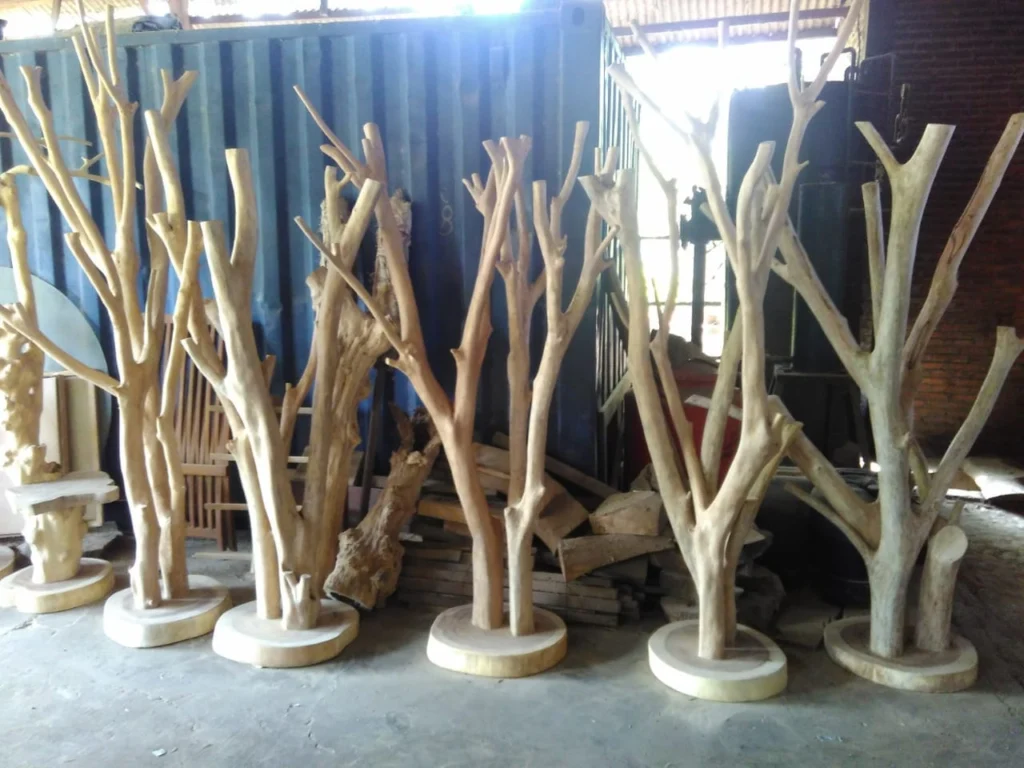
Custom-fabricated trunks built from real treated hardwood offer authentic texture and organic branching patterns. Visitors enjoy a calming, nature-inspired environment while venue owners maintain pristine visual standards 365 days a year.
5. Hygiene, Pest Control, and Allergen Prevention
Soil-based indoor plants naturally attract insects, gnats, mold spores, and fungal bacteria—creating sanitation concerns in airport dining plazas and food courts. Commercial Artificial Trees eliminate bio-hazards completely by operating without organic dirt or standing water.
Selecting synthetic indoor foliage keeps public spaces hygienic, allergen-free, and immaculately clean. Property managers achieve long-term visual perfection while protecting visitor health across expansive commercial facilities.
Direvisi oleh adminDG