
Dog ChewDog Chew Guide: How to Choose the Right Chew
Table of Contents
- Choose by Dog Size
- Consider Age and Chewing Habits
- Check Texture and Hardness
- Read the Ingredients
- Prioritize Safety
- Supervise Chewing Time
- Final Selection Tips
Choosing the right Dog ChewDog Chew can make chewing time more enjoyable while supporting healthy daily habits. However, not every chew is suitable for every dog, so owners should consider size, age, texture, ingredients, and chewing strength.
A suitable chew should match your dog’s individual needs rather than simply looking attractive or convenient. The following guide explains practical factors to consider before choosing a chew for your companion.
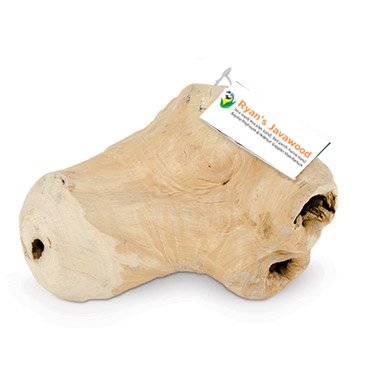
1. Choose Dog ChewDog Chew by Dog Size
Dog size is one of the first factors to consider when selecting a chew. A chew that is too small may create a choking risk, while an excessively large product may be difficult for a small dog to handle.
- Small dogs generally need appropriately sized chews that are easy to hold.
- Medium dogs may require a moderate size and durable texture.
- Large dogs often benefit from larger chews designed for stronger chewing.
Always follow the manufacturer’s recommended size range and observe how your dog handles the product.
2. Consider Age and Chewing Habits
A puppy, adult dog, and senior dog can have different chewing needs. Puppies may require products designed for developing teeth, while senior dogs may prefer a texture that is easier to manage.
For a Dog ChewDog Chew selection, consider whether your dog is a gentle, moderate, or aggressive chewer. This helps narrow down suitable textures and durability levels.
3. Check Texture and Hardness
Texture can influence both comfort and durability. Very hard products may not be appropriate for every dog, while extremely soft chews may be quickly destroyed by powerful chewers.
Look for a texture appropriate to your dog’s chewing strength. If you are uncertain, consult a veterinarian about products that may suit your dog’s teeth and overall condition.
4. Read the Ingredients Carefully
Ingredients matter when choosing a Dog ChewDog Chew. Read the label carefully and understand what the chew is made from, especially if your dog has food sensitivities or dietary restrictions.
- Check the primary ingredients.
- Review added flavors, preservatives, or sweeteners.
- Consider calorie content when treats are given frequently.
- Avoid ingredients your veterinarian has advised your dog to avoid.
Clear labeling makes it easier to compare products and select an option that fits your dog’s regular diet.
5. Prioritize Safety Over Appearance
An attractive chew is not necessarily the most appropriate choice. Inspect every Dog ChewDog Chew before giving it to your pet and discard it if it becomes dangerously small, breaks into sharp pieces, or shows significant damage.
It is also useful to learn about responsible pet care from a trusted reference such as Wikipedia. For product information and related offerings, visit Java Wood Tree.
6. Supervise Every Dog ChewDog Chew Session
Supervision is an important part of responsible chewing. Even a product that appears suitable can become unsafe if a dog breaks off and swallows a large piece.
Watch your dog’s behavior during chewing and remove the product when necessary. If coughing, gagging, difficulty swallowing, or other concerning symptoms occur, stop the chewing session and seek professional veterinary advice.
7. Match the Chew to Your Dog’s Lifestyle
The best Dog ChewDog Chew choice should fit your dog’s lifestyle as well as its physical characteristics. An active dog with strong chewing habits may need a different option from a relaxed senior dog that chews gently.
- Consider chewing strength and frequency.
- Choose a manageable size for your dog’s mouth.
- Review ingredients and nutritional information.
- Inspect the chew before and after use.
- Supervise your dog throughout chewing sessions.
Final Dog ChewDog Chew Selection Tips
Choosing a suitable Dog ChewDog Chew does not have to be complicated. Start with your dog’s size, age, chewing strength, dietary needs, and preferred texture, then compare products using those criteria.
Remember that every dog is different. By observing your pet and selecting products carefully, you can make chewing time more appropriate, enjoyable, and responsible.