Table of Contents
- What Is Aquarium Wood?
- Choosing Aquarium Wood
- Preparing Aquarium Wood
- Using Aquarium Wood in Aquascaping
- Maintenance Tips
Aquarium Wood: A Natural Guide to Better Aquascaping
Aquarium Wood is a popular natural material used to create attractive underwater landscapes. It can add texture, height, depth, and a more natural appearance to freshwater aquarium layouts.
Beyond decoration, carefully selected wood can become an important structural element for plants, mosses, and other aquascaping features. Understanding its characteristics and preparation methods helps aquarium owners create safer and more visually balanced displays.
How to Choose Aquarium Wood
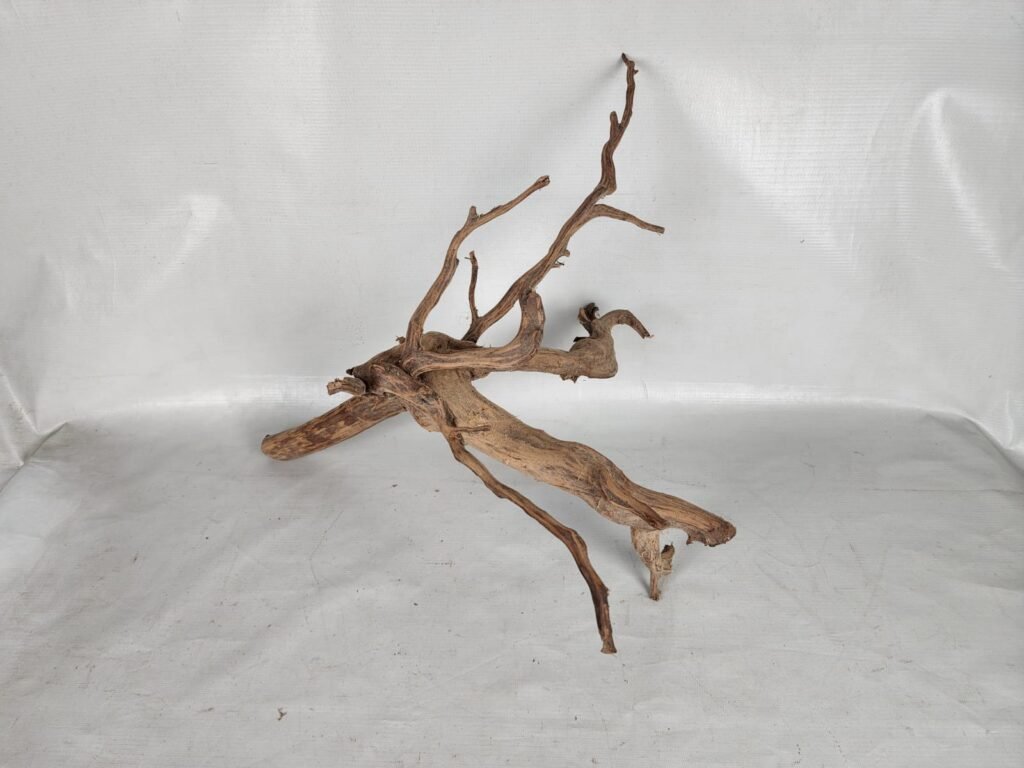
The right Aquarium Wood should be suitable for aquatic environments, free from harmful chemicals, and strong enough to remain stable underwater. Different shapes and textures can produce completely different visual effects.
- Choose dense, durable pieces designed for aquarium use.
- Look for interesting branches, curves, and natural textures.
- Avoid wood treated with paint, varnish, pesticides, or unknown chemicals.
- Select a size that fits the aquarium without overcrowding the swimming area.
Consider the overall composition before buying a piece. A long branch can create movement, while a compact root-like piece may work well as a central focal point.
Preparing Aquarium Wood Before Use
Proper preparation is an important part of using Aquarium Wood. New pieces should be cleaned carefully to remove loose dirt, dust, and unwanted surface material.
Many natural wood pieces can initially float because they contain trapped air. Soaking them in clean water can gradually help them become waterlogged and easier to position in an aquarium.
Some wood may also release tannins into the water. This can create a yellow or tea-like appearance, which is generally associated with natural wood materials and may be desirable in certain biotope-style setups.
How Aquarium Wood Is Used in Aquascaping
Aquarium Wood is commonly positioned as a visual anchor for an aquascape. Its branches can guide the viewer’s attention while creating natural-looking spaces between rocks, plants, and open swimming areas.
- Use branches to create vertical or diagonal visual lines.
- Combine wood with rocks for a balanced hardscape.
- Attach suitable aquatic plants or mosses to selected surfaces.
- Leave enough open space for fish movement and maintenance.
- Check that the structure is stable before adding water or livestock.
For inspiration and background information about aquascaping and aquatic environments, explore this trusted reference. For related wood products and information, visit JAVA WOOD TREE.
Maintenance Tips for Aquarium Wood
Once installed, Aquarium Wood should be inspected periodically. Check for unstable pieces, excessive debris, or areas where algae has accumulated.
Routine aquarium maintenance can help keep the wood and surrounding hardscape looking attractive. Gentle cleaning methods are preferable because aggressive chemicals may introduce unwanted substances into the aquatic environment.
It is also useful to monitor water conditions after introducing new wood. Changes in water color or chemistry can occur depending on the wood type, preparation, aquarium size, and amount of material used.
Why Aquarium Wood Is Popular
A major advantage of Aquarium Wood is its ability to provide a distinctive natural character. No two pieces have exactly the same branching pattern, surface texture, or shape, making each aquascape visually unique.
It can also support creative layouts for planted tanks, nature-style aquariums, and themed underwater environments. When carefully selected and prepared, wood becomes more than decoration—it becomes part of the overall aquascape structure.
For anyone planning an aquarium project, understanding Aquarium Wood is a useful starting point. By choosing suitable materials, preparing them correctly, and arranging them with plants and rocks, aquarium enthusiasts can create a natural-looking and functional underwater landscape.