7 Easy Steps to Prep and Style Bamboo Root for Aquascaping
Table of Contents
- Introduction to Bamboo Root Aquascaping
- Cleaning and Washing Your Bamboo Root
- Boiling and Sterilization Process
- Soaking and Tannin Removal
- Anchoring Your Bamboo Root Setup
- Creative Layout Styling Tips
- Attaching Aquatic Mosses and Epiphytes
- Long-Term Aquarium Maintenance
Introduction to Bamboo Root Aquascaping
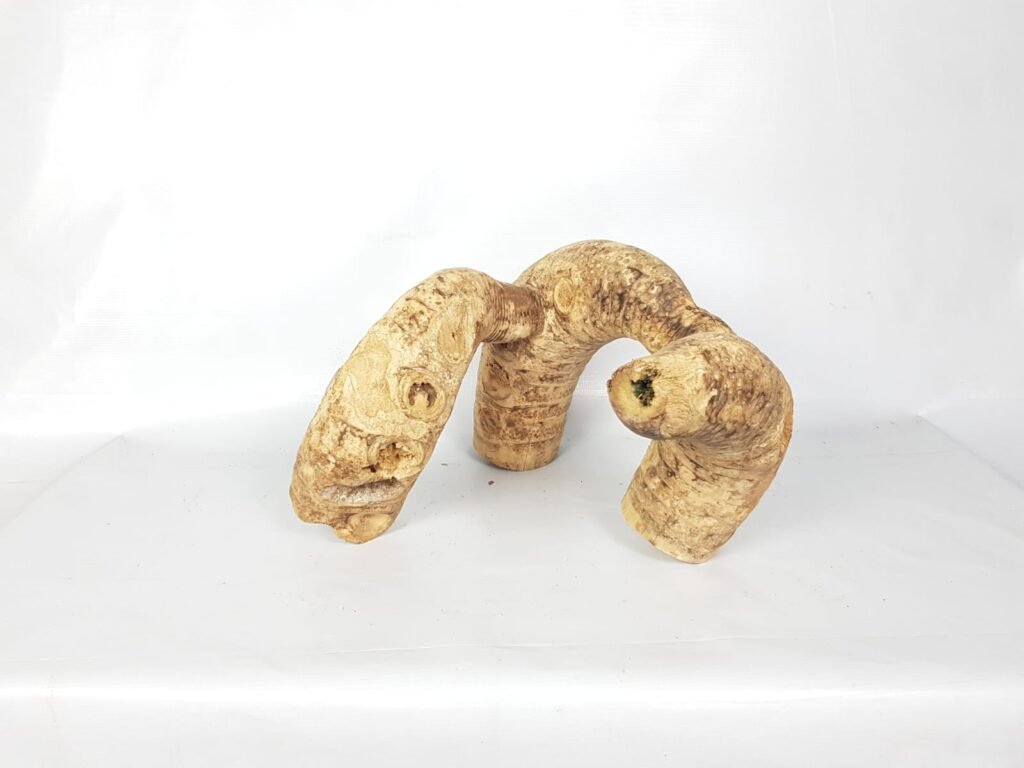
Aquascapers worldwide are discovering the unique organic shapes offered by natural Bamboo Root wood. Adding raw wooden elements gives your underwater landscape an authentic natural aesthetic while creating shelter for fish.
Using raw Bamboo Root in underwater environments requires proper preparation to keep water parameters stable and safe for aquatic life. You can read more about sustainable natural materials on Wikipedia.
1. Scrubbing and Cleaning Bamboo Root Hardscape
Before adding any raw Bamboo Root element into your tank, you must clean it thoroughly. Dust, loose bark, and soil residue often hide within the complex fibrous crevices of the roots.
Use a stiff-bristled brush under running tap water to remove foreign particles completely. Avoid using soaps or chemical cleaners during this phase, as residue can harm sensitive freshwater fish species.
2. Sterilizing Natural Bamboo Root Pieces
Sterilization is a vital step when preparing natural Bamboo Root for aquarium habitats. Boiling the wood destroys unwanted bacteria, fungal spores, and pest larvae hidden deep inside the root structure.
Place your raw Bamboo Root inside a large vessel and boil it for at least 60 to 90 minutes. This essential heat treatment also softens the outer fiber layer and accelerates water saturation.
3. Soaking and Removing Tannins
Natural hardscape woods contain organic tannins that discolor aquarium water into a tea-like shade. Soaking your treated Bamboo Root in clean water reduces initial tannin leaching effectively.
Submerge the root in a bucket for several days while changing the soaking water daily. For high-quality handcrafted wooden decor products, feel free to visit our website for inspiration.
4. Anchoring Floating Bamboo Root Structures
Dry Bamboo Root pieces often float due to trapped air pockets inside their fibrous cores. To prevent unwanted buoyancy, you can anchor the hardscape using stainless steel screws attached to slate tiles.
Alternatively, wedge your Bamboo Root securely between heavier rocks or bury base sections beneath heavy substrate sand. Over time, full water saturation will keep the root submerged naturally.
5. Styling Creative Hardscape Layouts
Designing an aquascape with dynamic Bamboo Root features allows you to mimic natural riverbanks. Position branching root tips upward or diagonally to create depth and dramatic visual angles.
Combine your Bamboo Root focal points with river stones, fine gravel, and driftwood pieces. This multi-layered layout technique forms a balanced ecosystem structure that enhances aquarium aesthetics.
6. Attaching Aquatic Mosses and Plants
Enhance the lush appearance of your Bamboo Root framework by attaching aquatic plants. Epiphytes such as Anubias, Java Fern, and Christmas Moss cling securely to rough root textures.
Use thread, fishing line, or aquarium-safe cyanoacrylate gel glue to attach plant rhizomes to the root surface. Within weeks, growing foliage transforms the wood into a vibrant living underwater tree.
7. Routine Maintenance for Long-Term Clarity
Maintaining a tank featuring natural Bamboo Root hardscape requires simple routine care. Perform regular weekly water changes to maintain crystal-clear water and remove minor residual tannins.
Introduce algae-eating shrimp or snails to keep biological film off the root surface naturally. Proper care ensures your organic wood layout remains healthy and visually stunning for years.